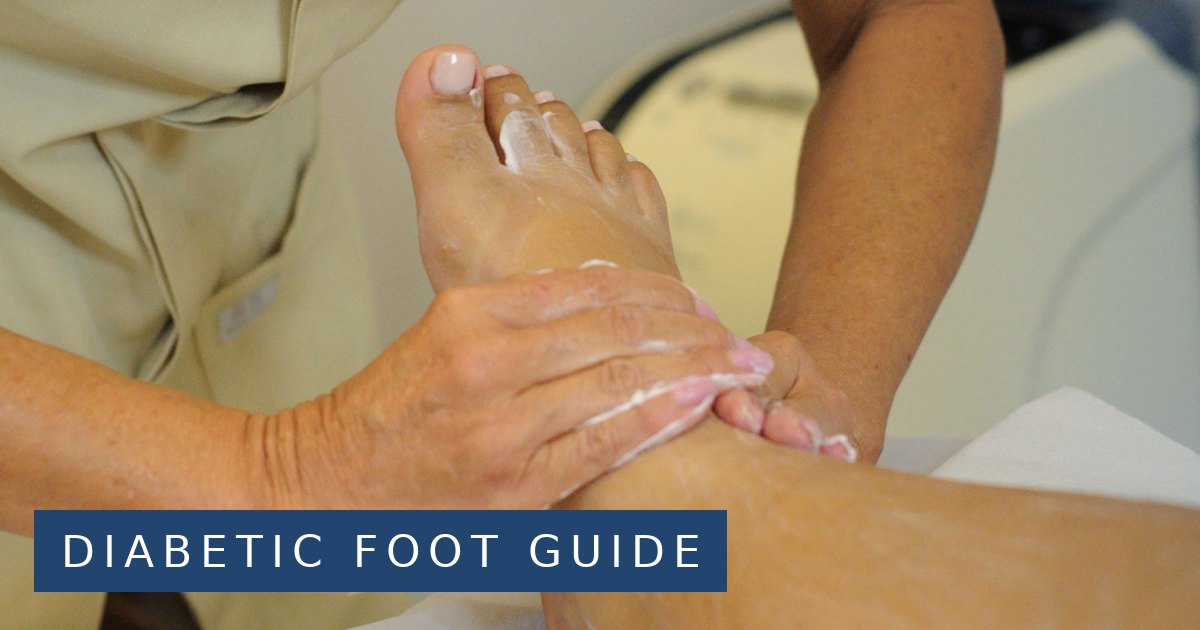
Yes, many people with diabetes can have a pedicure: with normal feeling, good circulation and no past foot ulcers, a careful salon pedicure is reasonable. If your feet have lost feeling or circulation, or you have had an ulcer, an amputation or Charcot foot, or you are on dialysis, nail and callus care belongs with a podiatrist. Either way, skip the long soak, the cuticle nippers and any blade on a callus.
The short version
It depends on your feet, not the diagnosis. Neither the international (IWGDF) guideline nor the American Diabetes Association standards address nail salons directly; both put calluses and nail problems in professional hands once feeling or circulation is reduced, and NIDDK, the federal diabetes institute, says to bring your own nail tools to a salon. Nerve damage can be silent, so get untested feet tested first.
If you go: no shaving your legs for 24 hours before, a quick lukewarm wash instead of a soak, cuticles left alone, nails cut straight across, no blades or graters on calluses, and a look at your feet every day afterwards. A cut, burn or blister on a foot with nerve damage or poor circulation is a same-day call; spreading redness, fever or skin turning black is the emergency department now.
Can diabetics get pedicures? It depends on your feet
The IWGDF sorts people with diabetes into four risk groups, mainly by loss of protective sensation (nerve damage that stops you feeling injuries) and peripheral artery disease (poor circulation); the ADA’s 2026 Standards of Care use the same table. Find your row:
| Your feet | Risk group | Nails and calluses | Foot exam |
|---|---|---|---|
| Normal feeling and normal circulation | 0, very low | A careful salon pedicure is reasonable, with the checklist below | Once a year |
| Loss of feeling or poor circulation | 1, low | Nail cutting and callus care by a podiatrist | Every 6–12 months |
| Loss of feeling and poor circulation, or either one with a foot deformity | 2, moderate | A podiatrist | Every 3–6 months |
| Loss of feeling or poor circulation, plus a past foot ulcer, any amputation, or kidney failure | 3, high | A podiatrist | Every 1–3 months |
| A cut, scratch, scab, blister, bug bite, bruise or infection on the feet or legs | Any | No pedicure and no footbath until it has healed | See how soon to be seen |
The intervals are expert opinion, the IWGDF says, not trial results. Above the lowest group it asks clinicians to treat callus, ingrown nails and fungal infection; NIDDK says a foot doctor should trim your nails if you cannot see, feel or reach your feet; and the ADA recommends podiatrist-coordinated team care for high-risk feet, including people on dialysis, with Charcot foot, with a past ulcer or amputation, or with poor circulation.
Not sure which row you are in?
“My feet feel fine” is not the test: up to half of people with diabetic nerve damage may have no symptoms, the ADA notes. A diabetic foot exam tests feeling with a 10-gram monofilament or the Ipswich touch test plus at least one other nerve test, and checks your foot pulses. Have one before your next pedicure if you never have.
Want painted toenails anyway? Keep the salon visit to polish; the soak, cutting, scraping and heat are where the trouble starts. Check your bare nails between colors: a new dark patch needs a look (see black toenail with diabetes).
Why a pedicure carries more risk with diabetes
You may not feel the injury
Nerve damage can hide a blister or a burn (NIDDK), and the ADA ties lost sensation to unrecognized minor injuries, such as a nick or water that is too hot.
It heals slowly
Without enough blood reaching the feet, a sore or an infection struggles to heal; see poor circulation in the feet.
Infection can move fast
With nerve damage and poor circulation, infection can spread fast while looking milder than it is (ADA), and minor injuries, burns included, can start an ulcer (IWGDF).
So the risky parts of a pedicure are the ones that break or overheat skin, plus a footbath that was not properly disinfected.
Footbath infections: the salon risk for everyone
In 2000, 110 customers of one northern California nail salon developed persistent boils below the knee. The cause was Mycobacterium fortuitum, a bacterium of water and soil, and it grew from all 10 of the salon’s whirlpool footbaths. Shaving the legs with a razor before the pedicure was a risk factor: 70% of the infected customers studied had done it, against 31% of customers who stayed well.
Late that year, investigators found mycobacteria in 29 of 30 whirlpool footbaths (97%) at 18 California salons, with debris or slime behind the screen in 25. That survey predates California’s 2001 cleaning rules; smaller clusters linked to salons in southern California and Georgia were reported afterwards.
The bacteria form hard-to-remove films in spa screens and pipes and enter through the skin. The infections can start like insect bites and grow, with pus and scarring. Poorly cleaned footbaths can harbor fungus too, the American Academy of Dermatology warns.
Boils or sores after a pedicure?
Tell the doctor about the pedicure and the footbath: the first boils in the outbreak were culture-negative, and the investigators urged doctors to suspect these bacteria when boils persist after a whirlpool footbath. Report the salon to your state cosmetology board, as the EPA advises.
How to have a safer pedicure: step by step
For feet in the very-low-risk row; each step closes off one way a pedicure injures or infects a diabetic foot.
- Check your feet first. Postpone for any cut, scratch, scab, bug bite or bruise on your feet or legs, which EPA and CDC guidance keeps out of a foot spa, and for any blister or infection.
- No shaving, waxing or hair-removal cream for 24 hours before (EPA and CDC; the American Academy of Dermatology says shave after, not before). Razor shaving was a risk factor in the outbreak.
- Choose a licensed salon and ask how it cleans. The footbath should be disinfected after every client and nightly with an EPA-registered hospital disinfectant, left for its full label time, typically 10 minutes. If nobody can say, skip the footbath.
- Bring your own tools, as NIDDK advises, or ask how theirs are sterilized: Boston, for example, requires an autoclave or dry-heat sterilizer for reusable tools, and single-use buffers, pumice stones and non-metal files. A home kit is in diabetic foot care products.
- Skip the soak, or make it a quick lukewarm wash. Soaking dries the skin (NIDDK) and can soften it until it breaks down (IWGDF). Test the water with your elbow or a thermometer, never your foot: 90 to 95°F (NIDDK), always below 37°C (IWGDF). A plain bowl avoids the whirlpool pipes where bacteria collect.
- Keep your cuticles. The American Academy of Dermatology advises never cutting them or pushing them back hard, to prevent infection.
- Nails cut straight across, not into the corners, with the edges smoothed by a file (NIDDK, IWGDF). An ingrown or thick nail is a podiatry job; see diabetic toenails.
- No blades, graters or chemical removers on calluses. Boston bans razor-type callus shavers (credo blades) and skin graters in salons. NIDDK says not to cut corns or calluses, and to use a pumice stone, gently, only if your doctor says to.
- No heat if your feeling is in any doubt: no hot towels, hot stones or paraffin wax. A numb foot will not report a burn; the IWGDF says never to warm at-risk feet with a heater or hot-water bottle.
- Gentle massage only, and none over a bruise, scrape or swelling: on a foot short of blood, small injuries heal slowly.
- Moisturize the tops and soles, not between the toes (NIDDK, IWGDF); see diabetic foot cream.
- Check your feet that evening and every day after, between the toes too, for nicks, redness, blisters, and red bumps that look like insect bites but grow.
What to say at the salon
“I have diabetes. Please skip the soak, leave my cuticles alone, cut my nails straight across, and use no blades, graters, hot towels or wax. Stop if you nick anything.”
Should diabetics soak their feet? What to do instead
No, and nothing added to the water changes that. NIDDK advises against soaking because it dries the skin, and the IWGDF’s wound-care advice is to wash rather than soak, since soaking can macerate skin. Epsom salt, vinegar or oils do not make a soak something diabetes foot guidance recommends. Instead:
- Wash daily in warm, not hot, water with soap, tested first with your elbow or a thermometer, and dry carefully, especially between the toes.
- Moisturize the tops and soles with a thin coat of lotion, cream or petroleum jelly, not between the toes. For cracked heels, see dry and cracked feet in diabetes.
- Never warm your feet with a heater or a hot-water bottle.
Soaking for itching or aches? The cause is worth finding: see itchy feet with diabetes and safe home remedies for diabetic foot pain.
What a medical pedicure is, and when Medicare pays
In a podiatry office, nail and callus care should come with a check of the feeling, pulses and skin of your feet, on your risk group’s schedule; for at-risk feet, the IWGDF asks clinicians to treat callus, ingrown nails, fungal infection and any sign of an ulcer starting.
Searching for a diabetic pedicure near you? If a podiatrist row in the table fits, search for a podiatrist.
Does Medicare pay for toenail cutting with diabetes?
Sometimes. Original Medicare does not usually cover routine foot care such as nail trimming and corn and callus removal. The exception that matters here is a systemic disease, such as diabetes, severe enough that care by a non-professional would put you at risk, with qualifying findings documented, such as lost feeling from diabetic nerve damage, absent foot pulses with certain skin changes, or a past amputation not caused by injury.
For diabetes, the national Medicare manual adds one more condition: you must be under the active care of a medical doctor (MD or DO) who documents the condition. When a podiatrist gives the care, Medicare contractors may count that as met if you saw that doctor for it in the six months before the visit, and the claim must name the doctor, so bring their name and the date of your last visit. How often the care is paid depends on your findings and your regional Medicare contractor. Separately, Part B covers a foot exam or treatment every six months for diabetic nerve damage with loss of protective sensation, if you have not seen a foot care professional for another reason in between. You pay 20% of the Medicare-approved amount after the Part B deductible, and all of anything not covered, polish included.
Cut, nicked or burned at the salon: what to do
- Stop, rinse with clean water, pat dry and cover it with a clean, non-stick dressing. Leave a blister intact; draining one is a clinician’s call.
- Wear closed shoes home, not thin salon slippers, if your feet are numb; the IWGDF advises against thin slippers for at-risk feet.
- Call the same day if you have nerve damage, poor circulation, a past ulcer or amputation, or are on dialysis, or the skin around it turns red, warm, swollen or painful, or drains; the IWGDF says to contact a professional rapidly about any blister, cut or scratch on an at-risk foot.
- Otherwise, check it daily. NIDDK says to call right away if a cut, blister or bruise has not started to heal after a few days.
- Report the salon to your state cosmetology board.
More on small wounds is in early-stage diabetic foot ulcer, and on the signs of infection in diabetic foot infection.
How soon to be seen
Find the first row that matches.
- Emergency department now
Redness spreading up the foot or leg, fever or chills, a foul smell, skin turning black or blue, or a foot that is suddenly cold, pale or very painful.
Go now and say you have diabetes. A suddenly cold, pale foot is a 911 call.
- Seen the same day
Any cut, nick, burn, blister or sore from a pedicure if you have nerve damage, poor circulation, a past ulcer or amputation, or are on dialysis; or, on any foot, a wound with redness, warmth, swelling, pain or drainage.
Call a podiatrist or your doctor today, or urgent care if nobody can see you. Keep it covered until then.
- Seen within days
Red bumps, boils or sores on the feet or legs after a pedicure that are growing or not healing; or a nick on a foot with normal feeling that has not started to heal after a few days.
Call now, be seen this week, and mention the pedicure and the footbath. In Michigan? Book here →
- At a routine visit
Thick, ingrown or fungal nails, calluses, or feet that have never been tested for feeling.
Book podiatry nail and callus care with a foot exam, and ask which risk group you are in.
Free: the 30-Second Daily Foot Check. The days after a pedicure are when a nick or an infection shows itself, and a daily check is how you catch it while it is small. This one printable page from Dr. Tom Biernacki lists five steps to do before your socks go on, says when to call your foot doctor and when to go to the ER, and gives you a week of tick boxes for the fridge.
ER or 911 now, not a download: a foot or leg that is suddenly cold, pale, blue or very painful; any skin turning black; redness spreading fast, or fever or chills with a foot wound.
Download the Daily Foot Check (PDF, 1 page)
Coming fall 2026: The Diabetic Foot Care Guide, Dr. Tom’s book.
Common questions
Can diabetics get pedicures at a nail salon?
Many can: with normal feeling and circulation, no past ulcer and no broken skin, a careful salon pedicure with your own tools is reasonable. With nerve damage, poor circulation, a past ulcer or amputation, Charcot foot or dialysis, a podiatrist should care for your nails and calluses.
Should diabetics soak their feet?
No. Soaking dries the skin (NIDDK) and can macerate it (IWGDF). Wash daily in warm water, 90 to 95°F, dry between the toes and moisturize everywhere except between them. Epsom salt or vinegar does not make a soak advisable.
What is a diabetic or medical pedicure?
In a podiatry office, it is nail and callus care given as part of at-risk foot care, by a clinician who also checks the feeling, pulses and skin of your feet. A salon’s “diabetic pedicure” is still a salon service: ask what it changes, and hold it to the checklist above.
Does Medicare pay for toenail cutting with diabetes?
Sometimes: when diabetes has damaged the nerves or circulation in your feet badly enough that nail or callus care by a non-professional would be hazardous, the podiatrist documents qualifying findings, and you are under a medical doctor’s active care for it, which a visit in the past six months can show. Part B also covers a foot exam or treatment every six months for diabetic nerve damage with loss of protective sensation.
Can a pedicure cause an infection?
Yes. The best-documented risk is mycobacterial boils from poorly cleaned whirlpool footbaths, which affected 110 customers of one California salon. Nicks from cuticle cutting, nail corners or callus blades are another way in.
Is it safe to have calluses removed at a salon?
Not with a blade. Razors, credo blades and graters can cut skin you may not feel: Boston bans them in salons, and the IWGDF and ADA put callus care for at-risk feet with a professional. A callus with dried blood inside it is a reason to call your foot doctor right away.
Sources
Clinical guidelines, outbreak investigations, and the federal and local rules cited on this page.
- Schaper NC, van Netten JJ, Apelqvist J, et al. Practical guidelines on the prevention and management of diabetes-related foot disease (IWGDF 2023 update). Diabetes Metab Res Rev. 2024;40(3):e3657. doi:10.1002/dmrr.3657 — risk groups and expert-opinion exam intervals; minor mechanical or thermal injury as an ulcer trigger; professional care of callus and nails; washing below 37°C, drying between the toes, emollients not between them, nails straight across; no chemical callus removers, heaters or thin slippers; prompt contact about cuts or blisters; and washing, not soaking.
- American Diabetes Association Professional Practice Committee for Diabetes. 12. Retinopathy, Neuropathy, and Foot Care: Standards of Care in Diabetes—2026. Diabetes Care. 2026;49(Suppl 1):S261-S276. doi:10.2337/dc26-S012 — silent neuropathy in up to 50%; unrecognized minor trauma; the foot exam and risk table; podiatrist-coordinated care for high-risk feet, including dialysis and Charcot foot; avoiding self-care of ingrown nails and calluses; rapidly progressing infection; and urgent referral for unexplained redness, swelling or warmth.
- National Institute of Diabetes and Digestive and Kidney Diseases. Diabetes and Foot Problems. NIH. niddk.nih.gov — Diabetes and Foot Problems — bringing your own tools to a salon; unfelt blisters and burns; slow healing; water at 90 to 95°F, tested with a thermometer or elbow; not soaking; lotion not between the toes; trimming straight across; when a foot doctor should trim; corns, calluses and pumice; and when to call.
- Winthrop KL, Abrams M, Yakrus M, et al. An outbreak of mycobacterial furunculosis associated with footbaths at a nail salon. N Engl J Med. 2002;346(18):1366-1371. doi:10.1056/NEJMoa012643 — 110 customers with persistent boils below the knee, the first culture-negative; M. fortuitum from all 10 footbaths; razor shaving before the pedicure in 70% of patients and 31% of controls; and when doctors should suspect it.
- Vugia DJ, Jang Y, Zizek C, Ely J, Winthrop KL, Desmond E. Mycobacteria in nail salon whirlpool footbaths, California. Emerg Infect Dis. 2005;11(4):616-618. doi:10.3201/eid1104.040936 — mycobacteria in 29 of 30 footbaths at 18 salons, sampled late in 2000; debris behind the screen in 25; the 2001 California rules; and later clusters.
- U.S. Environmental Protection Agency. Preventing Pedicure Foot Spa Infections (guidance from the EPA and the Centers for Disease Control and Prevention). Updated April 13, 2026. epa.gov — Preventing Pedicure Foot Spa Infections — 24 hours without shaving or waxing; no foot spa with broken skin, bug bites or bruises; disinfection between customers and nightly, typically for 10 minutes; bacteria in screens and tubes, entering through the skin; infections that start like insect bites; and reporting to the state board.
- American Academy of Dermatology. Manicure and pedicure safety. aad.org — Manicure and pedicure safety — never cutting or forcefully pushing back cuticles, to prevent infection; shaving after a pedicure, not before; asking about licenses and tool cleaning; and footbaths that, poorly cleaned, can harbor bacteria and fungus.
- Boston Public Health Commission. Nail Salon Regulation, as amended October 17, 2013. boston.gov — Nail Salon Regulation (PDF) — autoclave or dry-heat sterilization of reusable tools; single-use files, buffers and pumice stones; and no razor-type callus shavers (credo blades) or skin graters.
- Centers for Medicare & Medicaid Services. Foot care (other) and Foot care (for diabetes). Medicare.gov. medicare.gov — Foot care; medicare.gov — Foot care (for diabetes) — routine foot care usually not covered; 20% after the Part B deductible, and the full cost of uncovered care; and a foot exam or treatment every six months for diabetic neuropathy with loss of protective sensation.
- Centers for Medicare & Medicaid Services. Medicare Benefit Policy Manual, Chapter 15, §290: Foot Care. Chapter revised July 30, 2026. cms.gov — Medicare Benefit Policy Manual, Chapter 15 (PDF) — routine nail and callus care excluded; the exception for systemic disease causing severe circulatory problems or reduced feeling; diabetes and the active care of an MD or DO; the Class A, B and C findings; the six-month visit; and the doctor’s name on the claim.
Related guides
Diabetic toenails
Thick, ingrown and discolored nails, and safe trimming at home.
The diabetic foot exam
The test that tells you which risk group you are in.
Poor circulation in the feet
Signs, tests and what helps.
Dry and cracked feet
What to do for dry skin instead of soaking.
Diabetic foot infection
The signs that a nick has become infected.
Itchy feet with diabetes
Causes and relief, without a soak.
Medical nail and callus care in Michigan
If your feet have lost feeling or circulation, nail and callus care belongs in a podiatry chair, on the schedule your risk group calls for. Balance Foot & Ankle sees patients in Howell and Bloomfield Township.

Dr. Tom Biernacki is a double board-certified podiatric foot and ankle surgeon practising in Michigan. He treats diabetic wounds, Charcot neuroarthropathy and at-risk feet daily, and writes here to put the clinical reasoning behind that care in front of the people living with it.