Gangrene of the Foot and Toes: Early Signs, Types and Treatment

Dry, wet and gas gangrene look different and move at different speeds. How they are told apart, why it often does not hurt, and which one is measured in hours.
 Dr. Tom Biernacki, DPM, FACFAS
Dry, wet and gas gangrene look different and move at different speeds. How they are told apart, why it often does not hurt, and which one is measured in hours.
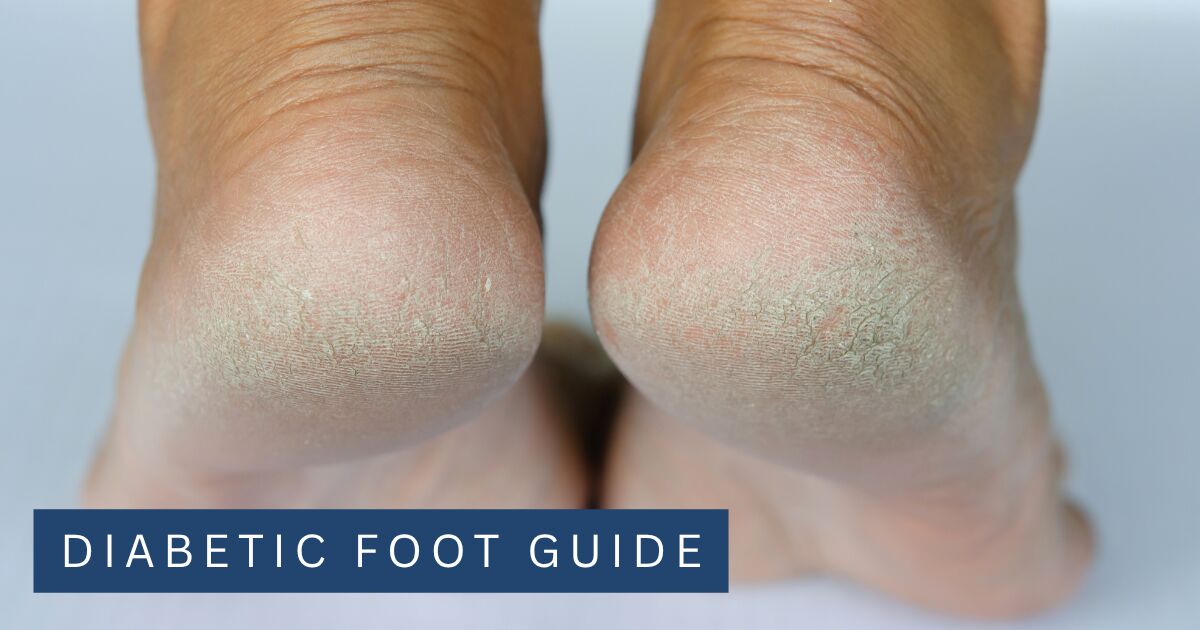
Dry skin in diabetes is a neuropathy sign, not neglect. Why heels crack, what urea actually does, and why a pumice stone is the wrong tool on a numb foot.

Diabetic toenails pictured: what yellow, white, brown and black nails usually mean, the first-stage changes that matter, and when to see a podiatrist.
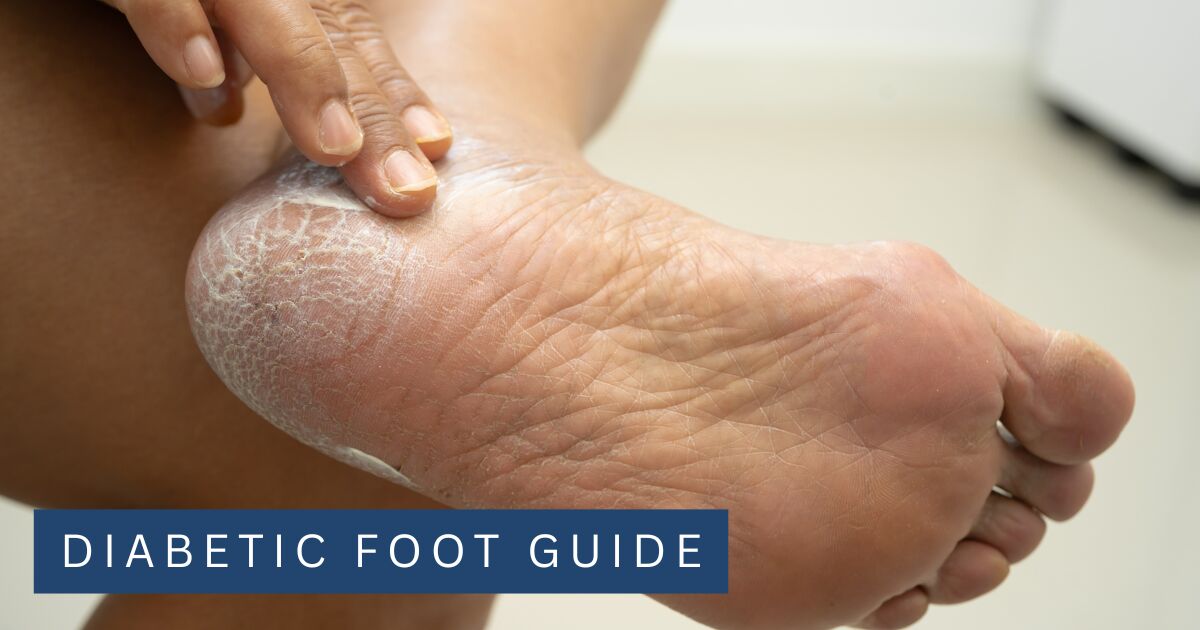
Urea concentration is the whole decision, and salicylic acid corn removers cause ulcers. What to look for on the label, and the rule about between the toes.

Fungal infection, dry skin from lost sweating, diabetic dermopathy or poor circulation. Which pattern is which, and the one that needs seeing the same day.

Neuropathic, venous, arterial and pressure ulcers look different and need opposite treatments. How to tell them apart, and why compression can harm the wrong one.

Infection is diagnosed by looking at the foot, not by swabbing it. The signs, why fever is often absent, and the probe-to-bone test that changes the whole plan.
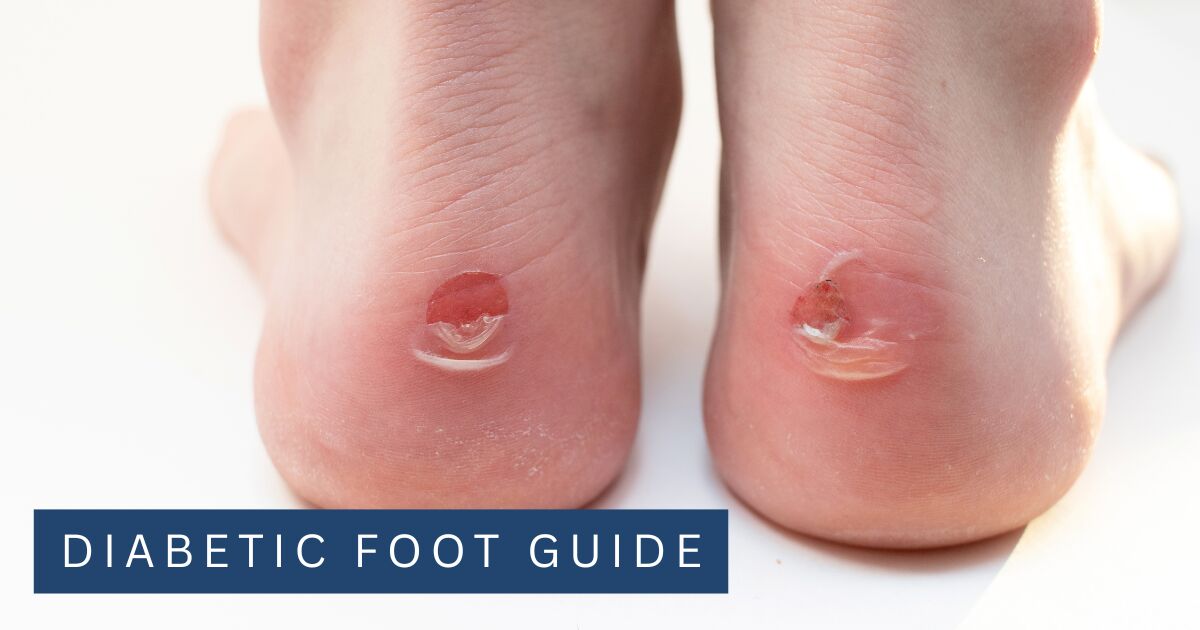
Diabetic blisters on feet and legs, in pictures: diabetic bullae, friction and blood blisters, why not to pop one, and when a blister is really an ulcer.

E11.621 plus an L97 code, in that order. The FY2026 ICD-10-CM codes for diabetic foot ulcers, Charcot and neuropathy, and which ones are headers you cannot bill.

What a diabetic foot exam tests, what the 10-gram monofilament actually measures, why a normal ABI can mislead, and how often you should be seen.